
Home / Certifications
Our certifications tell the visible part.
The rest is done by the wind, the footprints on the pasture, the calmness with which everything here moves. And those who come, feel it right away.
Bontà della Terra is a company certified organic by Ecogruppo Italia, an inspection body accredited by MIPAAF and recognized at the European level.
Certification is much more than a label: it is documented confirmation that every one of our processes-from fodder cultivation to animal husbandry and on-farm processing-follows the principles of organic farming in compliance with Regulation (EU) 2018/848.
No use of GMOs, chemical fertilizers or herbicides
Crops in natural rotation, with barley, oats, field beans, wheat
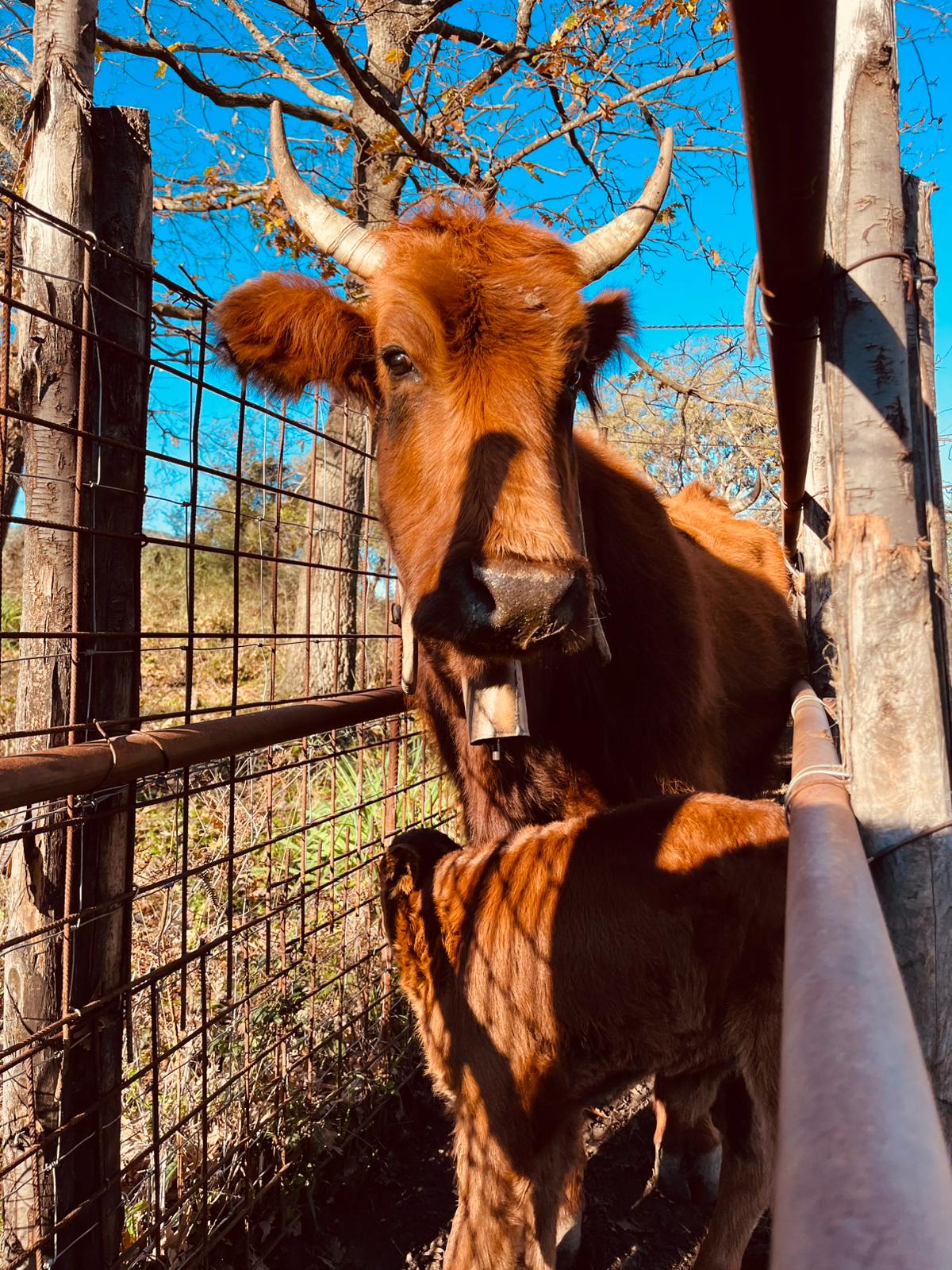
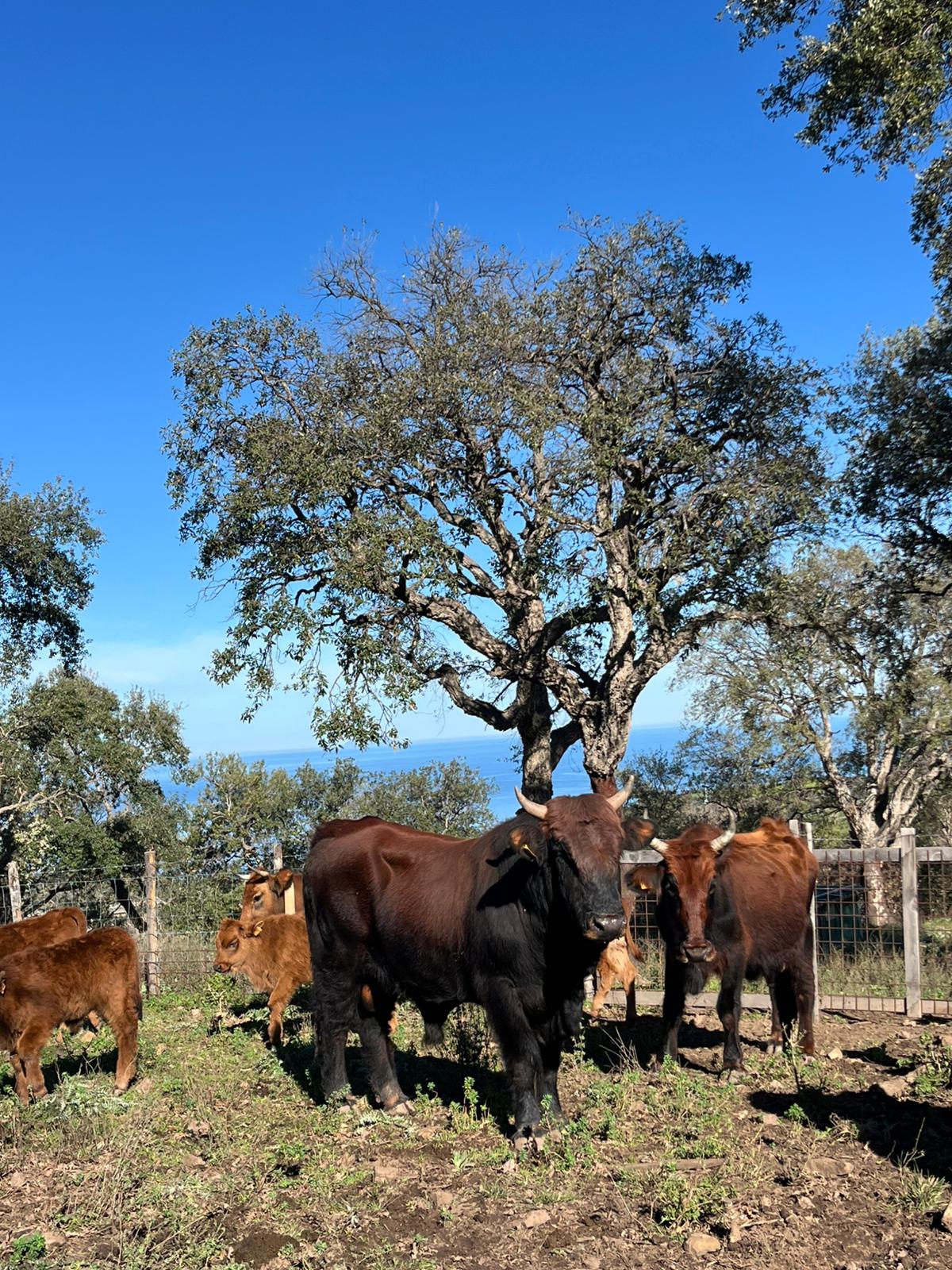
Animals raised according to the rhythms of nature, in large spaces and with clean feed
Fully traceable and certified domestic production, from field to table
Regular inspections and documentary checks conducted by Ecogruppo inspectors
Obtaining this certification is not an achievement, but a daily commitment. It means that every planting, every grazing, every processing is tracked, verifiable, sustainable.
For us, it is the simplest and most concrete way of telling the truth.
The certification covers:
The organic cultivation of olives,
The selection and use of organic seeds,
The raising of live cattle and live pigs, certified organic at every stage.
Every process-from planting to grazing-is carried out according to organic production methods, except for the conversion period, under regular supervision of the certifying body.


The Animal Welfare Manual adopted by Goodness of the Earth is not a bureaucratic fulfillment. It is a field choice.
An operational document that defines, monitors and improves everything related to the physical, mental and environmental health of the animals living on the farm.
It is the result of long experience in the field, and is based on the most up-to-date European and Italian regulations, interpreted in a manner consistent with our corporate ethics: to respect the rhythms of nature and the dignity of every living being.
The Handbook incorporates and implements, among others, the following provisions:
Regulation (EC) 178/2002 - Food safety and traceability
Regulation (EC) 852/2004 and 853/2004 - Food Hygiene
Regulation (EU) 625/2017 - Official controls, animal health, welfare
Regulations (EU) 2016/429 and 2020/689 - Health and Biosafety
Legislative Decree 146/2001 - Protection of animals on farms.
EC Reg. 183/2005, EC Reg. 2073/2005, EC 1831/2003 - Feed, microbiology, additives
Legislative Decree 193/2006 - Use of veterinary drugs.
ISO 17025 standard - Traceability and analytical testing.
Behavioral and environmental freedom: all animals live in free grazing or extensive housing, with natural behaviors respected
Clean and simple feeding: only farm fodder (barley, oats, field beans, wheat), with no corn, GMOs, or pushed feeds
Safe hydration: water administered is potable, continuously available, controlled
Cow-calf line: calves grow up next to their mother, without forcing or early separation
Spaces and facilities: fences designed for comfort, clean shelters, ventilated stables, free of angular elements
Health prevention: regular checks, treatment records, protocols for disinfection and cleaning according to regulations
Checks and non-conformities: each anomaly is detected, recorded, corrected according to internal self-control plan
We are working to join two realities that shape, on a collective scale, what we believe in every day.
The Nebrodi Consortium is a network of municipalities, companies and rural entities that promote the environmental, agri-food and cultural enhancement of the entire Nebrodi territory. It acts to protect native breeds, support the short supply chain, encourage sustainable tourism and coordinate territorial development, cooperation and local promotion projects.
The Slow Food Presidium dedicated to the Nebrodi Black Pig is a program to protect authentic and at-risk productions, based on strict criteria of ethical breeding, artisanal processing, seasonality and biodiversity. Being part of it means preserving a peasant knowledge that cannot be standardized or expedited.
Joining these two networks for us means systematizing, sharing a broader commitment and helping to build an economy that does not consume the land, but nourishes it.
All the taste of relaxation


